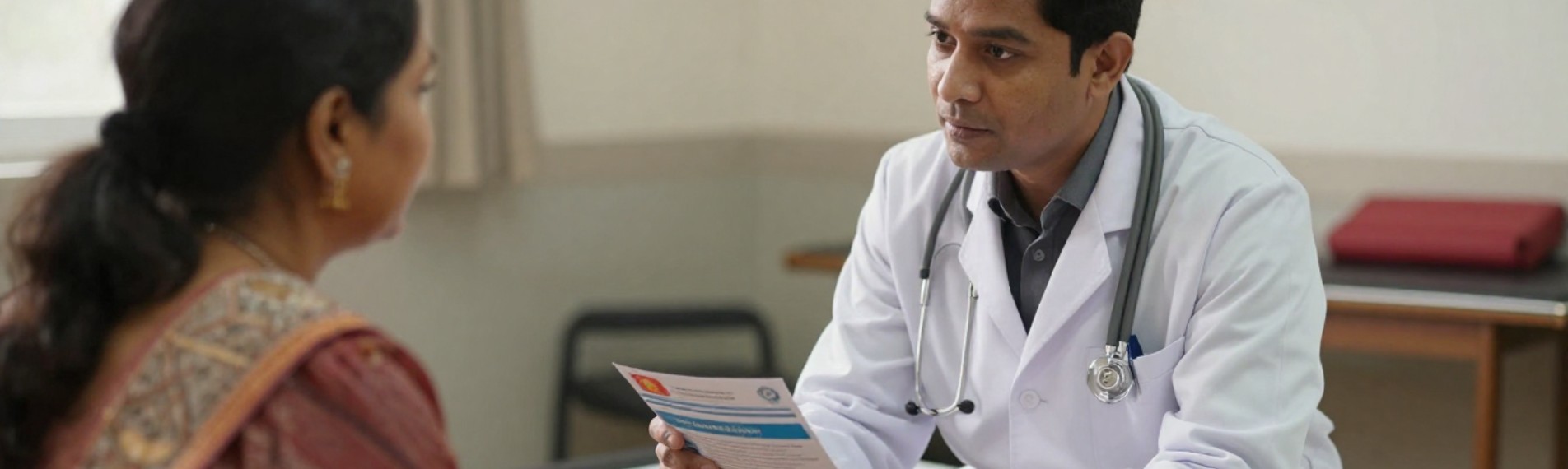
Orthopedic health counseling and patient education form the foundation of effective, long-term musculoskeletal care. While medical treatment and rehabilitation address pain and injury, patient education ensures that individuals understand their condition, participate actively in recovery, and make informed lifestyle choices that protect bone and joint health.
Well-informed patients experience better treatment outcomes, fewer complications, improved adherence to care plans, and greater confidence in managing their health.
Why Orthopedic Health Counseling Is Important
Many orthopedic conditions are chronic, progressive, or influenced by lifestyle and movement habits. Without proper understanding:
- Patients may unknowingly worsen their condition
- Minor problems may progress into major disabilities
- Recovery may be delayed or incomplete
- Recurrent injuries may occur
Orthopedic counseling bridges the gap between diagnosis and daily life by helping patients apply medical advice practically and safely.
Who Benefits from Orthopedic Health Counseling
- Patients with chronic joint or back pain
- Individuals recovering from injury or surgery
- Elderly patients with mobility issues
- Working professionals with posture-related pain
- Athletes and physically active individuals
- Caregivers supporting elderly or dependent patients
Education is useful at every stage of care, from prevention to recovery.
Key Components of Orthopedic Health Counseling & Education
1. Understanding the Diagnosis
- The nature of the orthopedic condition
- Why pain or stiffness occurs
- Whether the condition is temporary or long-term
- Expected course of recovery
Clear explanations reduce fear, confusion, and unrealistic expectations.
2. Pain Management Education
- Safe use of medications
- Activity pacing to avoid flare-ups
- Recognizing warning signs that require medical attention
Education helps patients manage pain without overdependence on medication.
3. Movement, Posture, and Activity Guidance
- Correct posture during sitting, standing, and sleeping
- Safe movement techniques
- Avoiding harmful activities
- Gradual return to daily tasks
This reduces reinjury and chronic pain.
4. Exercise and Rehabilitation Awareness
- Importance of prescribed exercises
- Correct exercise techniques
- Frequency and progression of activity
- Recognizing safe discomfort versus harmful pain
Understanding exercises improves compliance and outcomes.
5. Lifestyle and Joint Protection Counseling
- Weight management to reduce joint stress
- Nutrition for bone and muscle health
- Importance of regular physical activity
- Avoidance of prolonged inactivity
Small lifestyle changes can significantly improve long-term orthopedic health.
Orthopedic Counseling for Special Populations
Elderly Patients
- Fall prevention
- Safe mobility
- Bone health
- Use of assistive devices
Post-Surgical Patients
- Wound care awareness
- Activity restrictions
- Recovery timeline
- Signs of complications
Working Professionals
- Ergonomic correction
- Work–rest balance
- Prevention of posture-related pain
Caregiver Education
- Safe patient handling techniques
- Exercise assistance
- Monitoring for complications
- Encouraging independence
Psychological Support Through Education
- Addressing fear of movement
- Encouraging gradual activity
- Setting realistic recovery goals
- Providing reassurance
This improves mental resilience and motivation.
Preventive Role of Orthopedic Education
- Prevention of recurrent injuries
- Slowing progression of joint degeneration
- Reducing chronic pain conditions
- Avoiding unnecessary surgeries
Prevention through education is one of the most effective long-term orthopedic strategies.
Long-Term Benefits of Orthopedic Health Counseling
- Adherence to treatment plans
- Faster recovery
- Maintained mobility and independence
- Avoidance of complications
- Confident health decisions
Why Orthopedic Health Counseling is an Essential Part of Care
Orthopedic treatment is most effective when patients:
- Understand their condition
- Actively participate in recovery
- Take responsibility for long-term joint health
Orthopedic health counseling transforms patients from passive recipients of care into informed partners in healing.


 Healthcare at your doorstep