


 Healthcare at your doorstep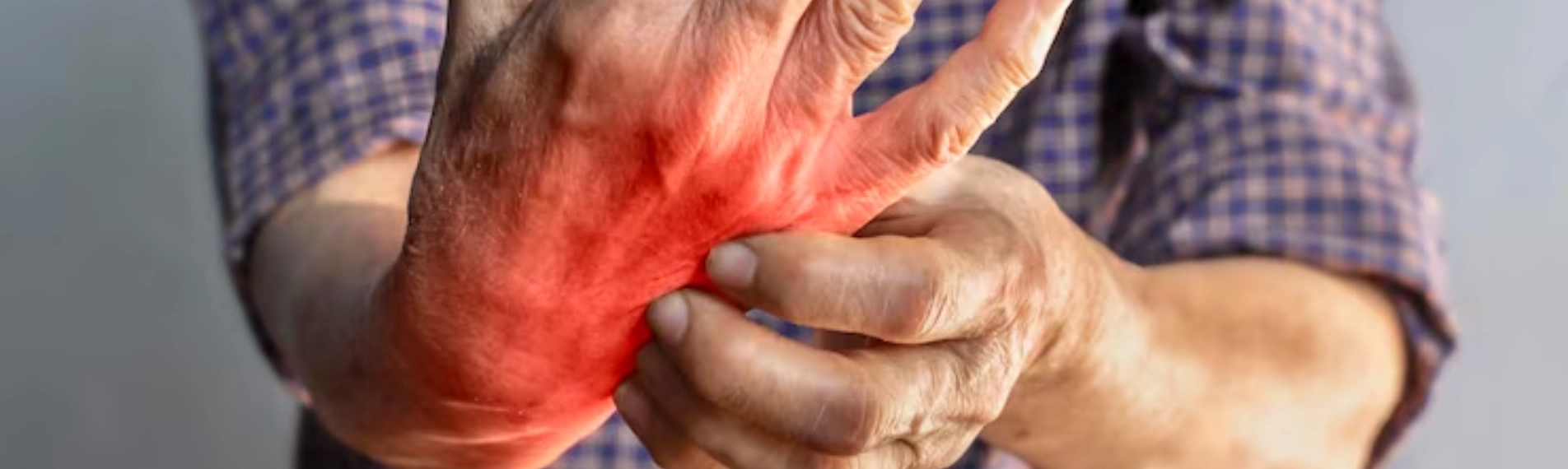

Indaram Health is a convenience services to the adaptability, Spacious modern villa living room with centrally placed swimming pool blending indoor outdoor.
Nerve-related musculoskeletal pain occurs when nerves that supply muscles, joints, and limbs become irritated, compressed, or damaged, leading to pain that is often different from typical muscle or joint pain. This type of pain may present as burning, shooting, tingling, numbness, or electric-like sensations and can significantly affect movement, sleep, work performance, and quality of life.
Nerve-related pain commonly involves the neck, back, shoulders, arms, hips, legs, and feet and often requires careful orthopedic evaluation to identify the source and guide effective treatment.
Nerves act as communication pathways between the brain and the body. When a nerve is irritated or compressed:
Unlike simple muscle pain, nerve-related pain may radiate along the path of the nerve and persist even at rest.
Problems in the spine may compress nearby nerves, leading to:
This is commonly seen in disc-related problems and degenerative spine conditions.
Bulging or herniated discs may press on nerve roots, causing:
Certain nerves can become compressed as they pass through narrow spaces, leading to:
Poor posture and prolonged static positions may cause:
Falls, accidents, or direct blows may damage nerves, resulting in:
Early assessment helps prevent long-term nerve damage.
Age-related degeneration may increase the risk of:
Sudden weakness, loss of sensation, or bladder/bowel changes require urgent medical attention.
The aim is to identify the exact source of nerve irritation.
Physiotherapy helps reduce nerve irritation and restore function.
Surgical decisions are carefully evaluated and individualized.
Preventive care reduces the risk of chronic nerve pain and disability.
Education, reassurance, and gradual rehabilitation help patients regain confidence in movement.
Early orthopedic care ensures accurate diagnosis, effective treatment, and long-term nerve and musculoskeletal health.
Thankyou for submitting the form.
For further information please contact this given number +977-9761504498
Please scan the QR code to confirm or save your appointment.
